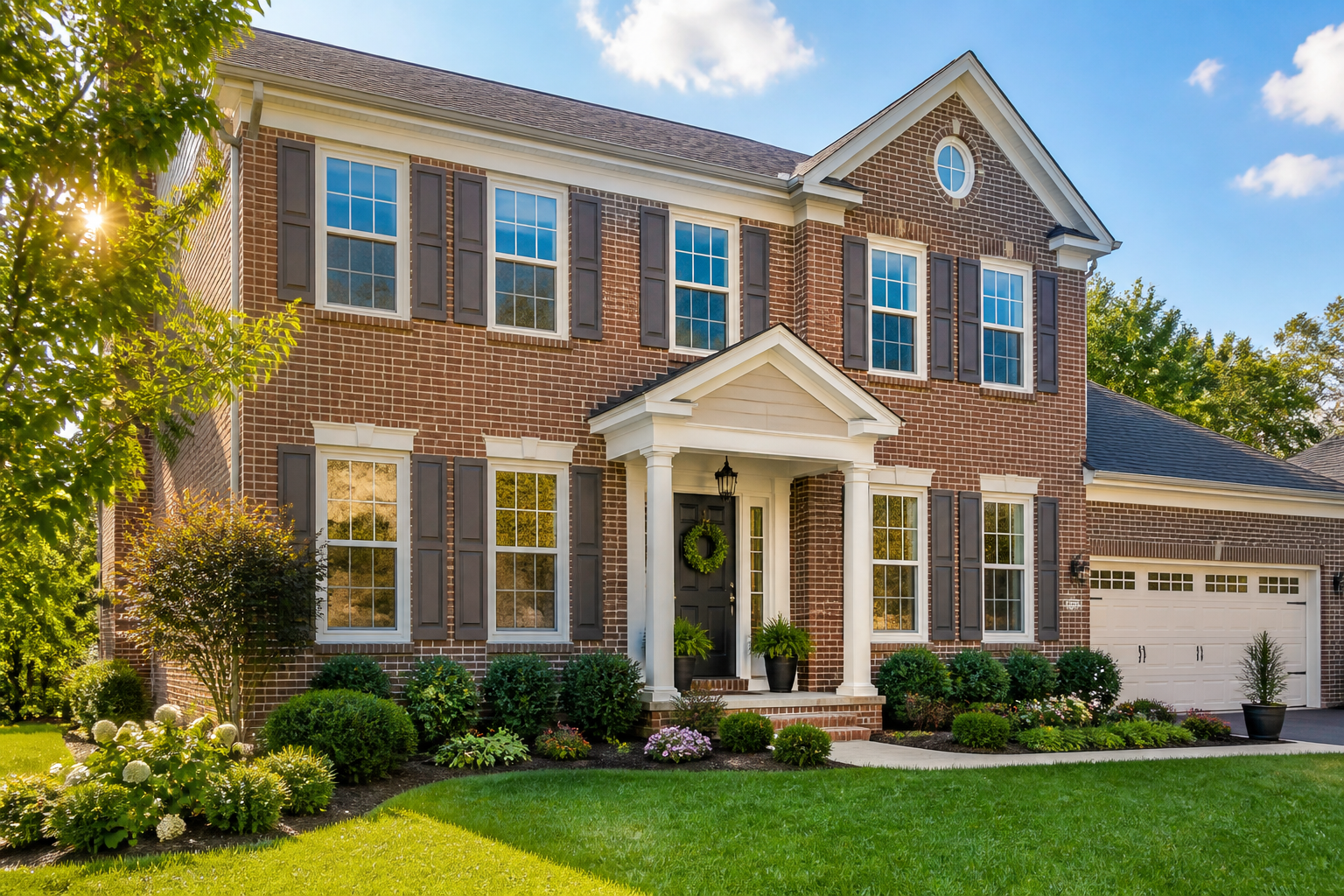
When Maria and Gene Dellacorte replaced the windows in their 1988 Columbus, Ohio home last spring, they weren't expecting much more than a cosmetic upgrade. The house looked dated, the frames were flaking, and one of the bedroom windows had developed a stubborn frost streak that never fully cleared.
What they didn't expect was the feeling of walking through the front door that following October.
"The whole house just felt different," Maria told us. "Quieter, warmer. Our heating bill that November was noticeably lower than the year before. Gene actually went back and pulled old bills to compare. We wish someone had told us years ago."
The Dellacortes are not alone. Across the country, millions of homeowners are living with windows that are well past their prime — losing money to drafts and poor insulation without realizing the problem is preventable. According to the U.S. Department of Energy, heat gain and heat loss through windows accounts for roughly 25–30% of residential heating and cooling energy use.
Why Most Homeowners Miss the Problem
Unlike a leaking roof or a cracked foundation, deteriorating windows don't announce themselves dramatically. They decline gradually — a seal fails here, a frame warps slightly there — and homeowners adapt without noticing the cumulative cost.
"People get used to putting a blanket on the couch near the window," says home performance consultant Dale Whitmore, who has audited hundreds of older homes in the Midwest. "They think drafts are just part of an older house. They're not — they're a symptom of windows that need attention."
"People get used to putting a blanket on the couch near the window. They think drafts are just part of an older house. They're not."
— Dale Whitmore, Home Performance ConsultantWindows have a general service life of 15–20 years for vinyl frames and 10–15 years for older wood frames. If your home is approaching or past those marks, a closer look is worth the time.
7 Signs It's Time to Take a Closer Look
You Feel a Draft Even With the Window Latched
Hold a candle or a piece of tissue near the window frame on a windy day. If it flickers or moves, air is infiltrating through gaps in the weatherstripping, frame seals, or glazing compound. That air movement means conditioned air is escaping in the other direction as well.
Condensation or Fogging Between the Glass Panes
This is the clearest signal that a double-pane or triple-pane unit has failed. Manufacturers fill the space between panes with argon or krypton gas for insulation. When the perimeter seal breaks, that gas escapes and humid air enters — leaving haze, streaks, or frost you can't wipe away. Once this happens, the insulating performance of the unit is significantly compromised.
Your Utility Bills Have Climbed Without an Obvious Explanation
If your heating and cooling bills have drifted higher over the past few years without a major change in habits or usage, windows are a prime suspect. Compare your bills to the same months two or three years prior — adjust for any changes in rates. A consistent upward trend is worth investigating.
Street Noise Sounds Like It's Inside the Room
Sound travels through the same gaps and thin glass that allow thermal transfer. Modern insulated windows significantly reduce outdoor noise transmission. If traffic, mowing, or neighbor conversations feel unusually close and loud, your windows are providing little acoustic barrier.
The Frames Are Visibly Deteriorating
Wood frames rot, warp, and crack. Older aluminum frames oxidize and pit. Even vinyl frames can become brittle in extreme climates over time. Peeling paint, soft spots in the wood, discoloration, or visible gaps at corners are all signs the frame itself — not just the glass — has reached the end of its practical life.
Windows Are Difficult to Open, Close, or Lock
A window that doesn't operate smoothly can't seal properly. Warped or swollen frames, worn hardware, or damaged sash balances aren't just inconvenient — they mean the window isn't seated against the weatherstripping correctly when closed. This is both an energy and a security issue.
Your Carpets, Flooring, or Furniture Have Visible Fading
Old single-pane glass offers almost no UV protection. Modern low-emissivity (Low-E) coatings block a significant portion of ultraviolet radiation. If you've noticed bleaching or fading on floors, rugs, artwork, or upholstery near windows, the glass is allowing damage that newer units would significantly reduce.
What Homeowners Are Doing About It
The experience that used to hold homeowners back — the fear of pushy contractors, mysterious quotes that balloon, and months of disruption — has changed in recent years. Lead-generation and matching services have made it easier for homeowners to receive competitive estimates from pre-vetted, licensed installers without the traditional high-pressure sales environment.
One service gaining traction is VistaPro Windows, which connects homeowners with certified local specialists for free, no-obligation in-home estimates. The model is straightforward: homeowners enter their ZIP code, a local specialist visits and measures, and a written estimate is provided with no requirement to move forward.
"We wanted to take the anxiety out of getting started," said a VistaPro spokesperson. "A lot of homeowners know their windows need attention but they procrastinate because they expect to be pressured. The estimate is genuinely free and genuinely no-pressure. We think that's the right way to earn someone's business."
Free In-Home Window Estimate — No Obligation
VistaPro Windows certified specialists serve all 48 continental states. Request your free in-home measurement and written quote today — takes 60 seconds.
Check Availability in My Area →What to Expect During an Estimate Visit
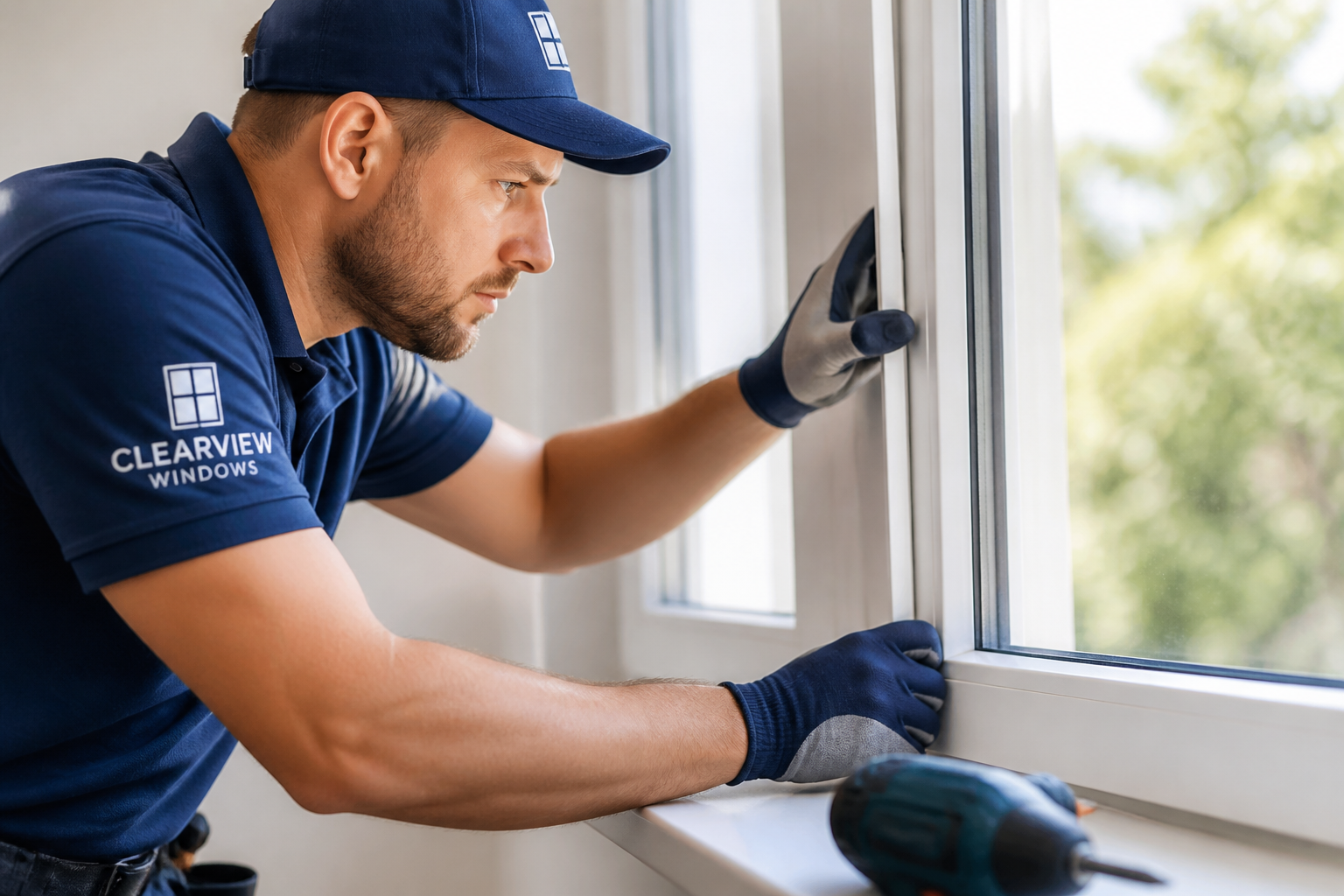
For homeowners who haven't been through a window estimate before, knowing what to expect removes a lot of the anxiety. A typical in-home visit runs 45–60 minutes. The specialist will:
- Inspect each window for frame condition, glass integrity, and seal failure
- Measure each opening precisely for custom-ordered replacement units
- Discuss style options, glass coatings, and frame materials
- Present a written, itemized estimate before leaving
- Answer every question without pressure to sign anything that day
"The specialist we had was totally upfront," recalled Deborah S., a homeowner in Raleigh, North Carolina. "He showed me exactly which windows had failed seals, which ones were borderline, and which ones still had years of life left. We only replaced the six that genuinely needed it. The estimate matched the final bill to the dollar."
A Note on Timing
Window replacement schedules tend to back up significantly heading into fall and winter, when homeowners suddenly feel the cold and want the project done before temperatures drop. Late spring and summer typically offer the best availability and sometimes better pricing from installers looking to keep crews busy before the seasonal surge.
If you've noticed any of the warning signs above, the time to request an estimate is before you need one urgently.
Is Your Area Covered?
Enter your ZIP code to check service availability and request your free, no-obligation in-home window estimate.
Get My Free Estimate →No credit card. No commitment. Takes 60 seconds.
Had the exact fogging issue described in sign #2. Lived with it for two years thinking it was just humidity. Specialist came out, confirmed three of our nine windows had failed seals. Had them replaced within the month. House is noticeably different. Wish I hadn't waited.